
Why Finding Local Businesses Online Matters for Your Community
Find local businesses online by using these proven methods:
- Google Search and Maps – Search for “[business type] near me” or “[business type] + [your city]” to see local results with business profiles, reviews, and contact information.
- Online Business Directories – Browse online business directories or community-specific platforms that list local businesses by category and location.
- Google Business Profile Search – Look up businesses directly on Google to view their complete profile with hours, photos, services, and customer reviews.
- Local Chamber of Commerce Websites – Check your city’s chamber of commerce or economic development sites for curated lists of local businesses.
- Community Social Media Groups – Join local Facebook groups or neighborhood platforms where residents share and recommend businesses.
Your local businesses are the soul of your community. They create jobs, sponsor Little League teams, and give your neighborhood its unique character. But here’s the challenge: 73% of people trust a local business more after reading positive reviews, yet many small businesses struggle to be found online at all.
The shift to digital findy has changed everything. Today, when someone needs a service or product, their first move isn’t to drive around looking for storefronts. They pull out their phone and search. If your favorite local business doesn’t show up in those first few results, potential customers may never know they exist.
This disconnect hurts both sides. Small business owners work hard but feel invisible online. Customers want to support local but can’t easily find who’s in their neighborhood. The good news? The tools to bridge this gap are mostly free and surprisingly simple to use.
Whether you’re a business owner wanting to increase your visibility or a community member looking to support local, understanding how online business findy works gives you real power. You can turn online searches into real-world visits, reviews into trust, and digital connections into lasting community relationships.
The Ultimate Tool: Mastering Your Local Business Profile
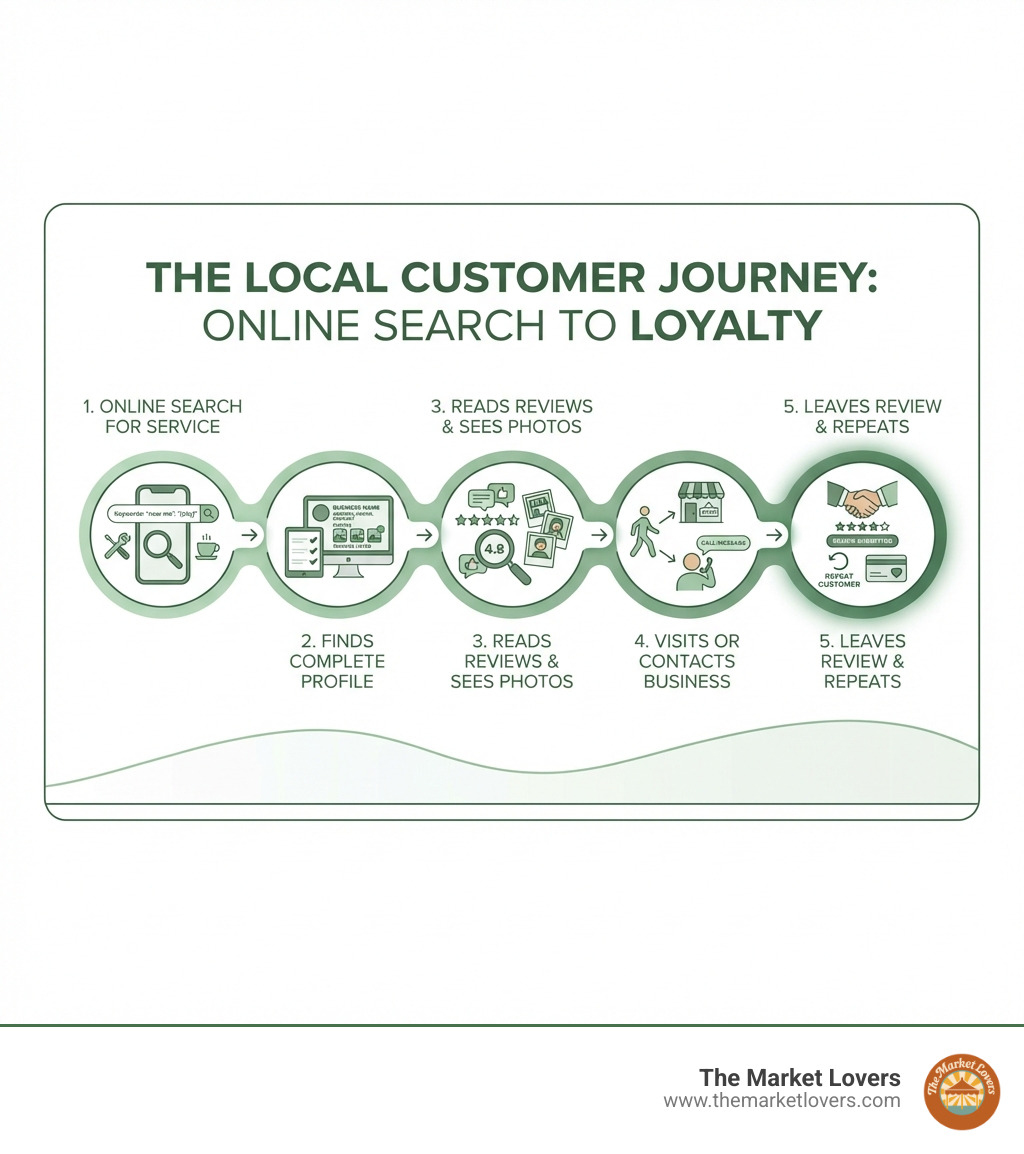
Imagine someone searching for “best coffee shop near me” or “plumber in [your town].” Where do you think they’ll look first? Chances are, they’re heading straight to Google Search or Maps. This is where your local business profile becomes your secret weapon, turning casual searchers into loyal customers.
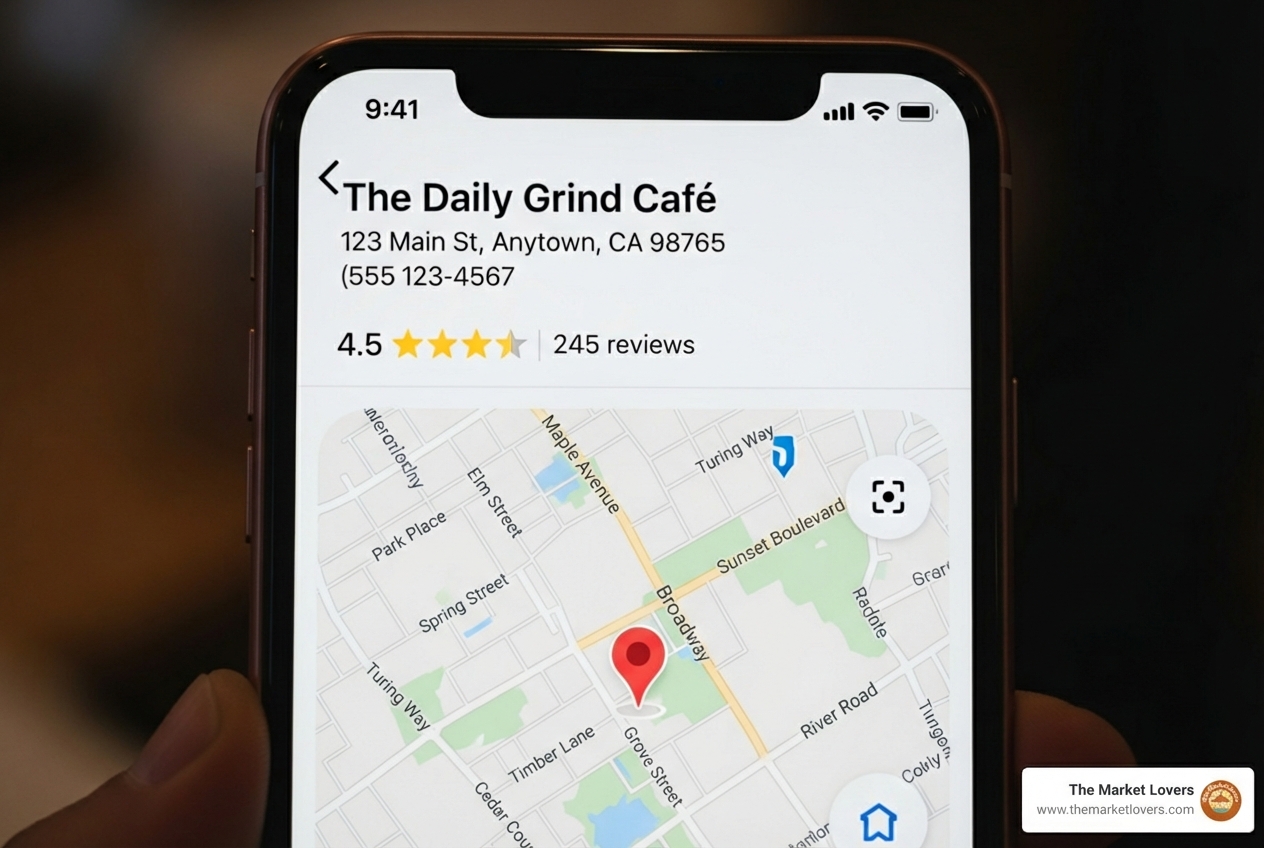
A strong online presence starts with a comprehensive local business profile. These are often free tools that put your business directly into local search results, offering a crucial first impression. They’re designed to convert those who find local businesses online into actual customers, whether they’re walking through your door or making a call. According to Google, these profiles can lead to significant interactions, with some businesses seeing thousands of interactions. They are a key component to brand acknowledgment and giving customers the confidence to purchase. For small businesses looking to “stand out on Google,” a free Business Profile is an indispensable asset.
You can learn more about how we empower local businesses to succeed and stand out online with a complete business profile.
What is a Local Business Profile and Why is it Crucial?
A local business profile is essentially your business’s digital storefront on platforms like Google Search and Maps. Think of it as your modern-day Yellow Pages listing, but boostd with photos, reviews, services, and direct communication options. For example, Google Business Profile (formerly Google My Business or GMB) profiles are prominently featured in local search packs, showcasing businesses within a searcher’s proximity.
Why is this so crucial? First, it dramatically boosts your visibility. If you’re not listed, you’re practically invisible to a significant portion of your potential customers. Second, it integrates directly with search and maps, meaning people can find your location, get directions, and even call you with a single tap. Third, and perhaps most importantly, it adds legitimacy and builds customer confidence. As one business owner put it, “Getting Yogolandia on Google was absolutely key. It truly legitimizes you as a business.” Only verified businesses can display their information on Maps and Search, which means having a profile immediately tells customers you’re a real, established entity.
To dive deeper into online visibility and its benefits, learn more about business profiles.
Key Steps to Optimize Your Local Business Profile
Optimizing your local business profile isn’t just about existing online; it’s about thriving there. Here’s how to make sure your profile is working as hard as you are:
- Claim and Verify Your Profile: This is the foundational step. Many businesses don’t realize Google offers a free listing. If your business is already in Google’s database, you must claim and verify your Google Business Profile listing. If it’s not, you can create a new one. This ensures you have control over the information.
- Complete Information: Add every detail possible. This includes your business name, address, phone number (NAP), website, business hours, and a clear description. Google states that adding “complete and detailed business information” helps them understand your business better and match it to relevant searches. Make sure your business category is accurate too!
- Accurate NAP Consistency: This is paramount. Your Name, Address, and Phone Number (NAP) must be identical across all online platforms. Inconsistent details, like “123 Main St.” on one site and “123 Main Street” on another, can confuse search engines and harm your local search rankings.
- Photos and Videos: A picture is worth a thousand words, especially when customers are looking for a visual cue. Add high-quality photos of your storefront, products, team, and even behind-the-scenes glimpses. Videos can further showcase your business’s personality. Businesses with photos receive more engagement.
- Posts and Offers: Keep your profile dynamic! Use the “Posts” feature to share updates, special offers, events, and news. This is a fantastic way to keep customers informed and engaged, much like a mini-blog on your profile.
- Q&A Section: Monitor and respond to questions customers ask in this section. It’s an opportunity to provide helpful information and address common queries, often leading to more interactions.
- Encourage and Respond to Reviews: We’ll dig deeper into reviews later, but for now, know that they are a “known ranking factor.” Actively responding to all reviews, good or bad, shows that you value your customers and their feedback.
- List Products and Services: If you sell products, you can often list your inventory directly on your profile. Service-based businesses can detail their offerings and even provide online quotes.
By following these steps, you’ll be well on your way to a robust online presence. For more detailed guidance, check out our tips to optimize your business profile.
How to Find Local Businesses Online Using Findy Platforms
While Google is a dominant player, the internet offers a vast ecosystem of platforms to find local businesses online. These findy platforms, or “findy platforms” as we like to call them, go beyond basic search to offer specialized tools and community-focused directories that can unearth hidden gems in your neighborhood. From broad business directories to more niche tools, understanding these platforms is key for both businesses seeking visibility and consumers eager to support local.
At The Market Lovers, we believe in empowering local shopping through a connected network for small businesses. We make it easier to discover local businesses that truly enrich our communities.
The Role of Online Listings and Consistent NAP
For any business striving to be found online, establishing a presence across multiple online listings and ensuring “NAP” consistency is non-negotiable. NAP stands for Name, Address, and Phone Number. These “citation sites” or online directories are crucial because they act as signals to search engines that your business is legitimate and trustworthy.
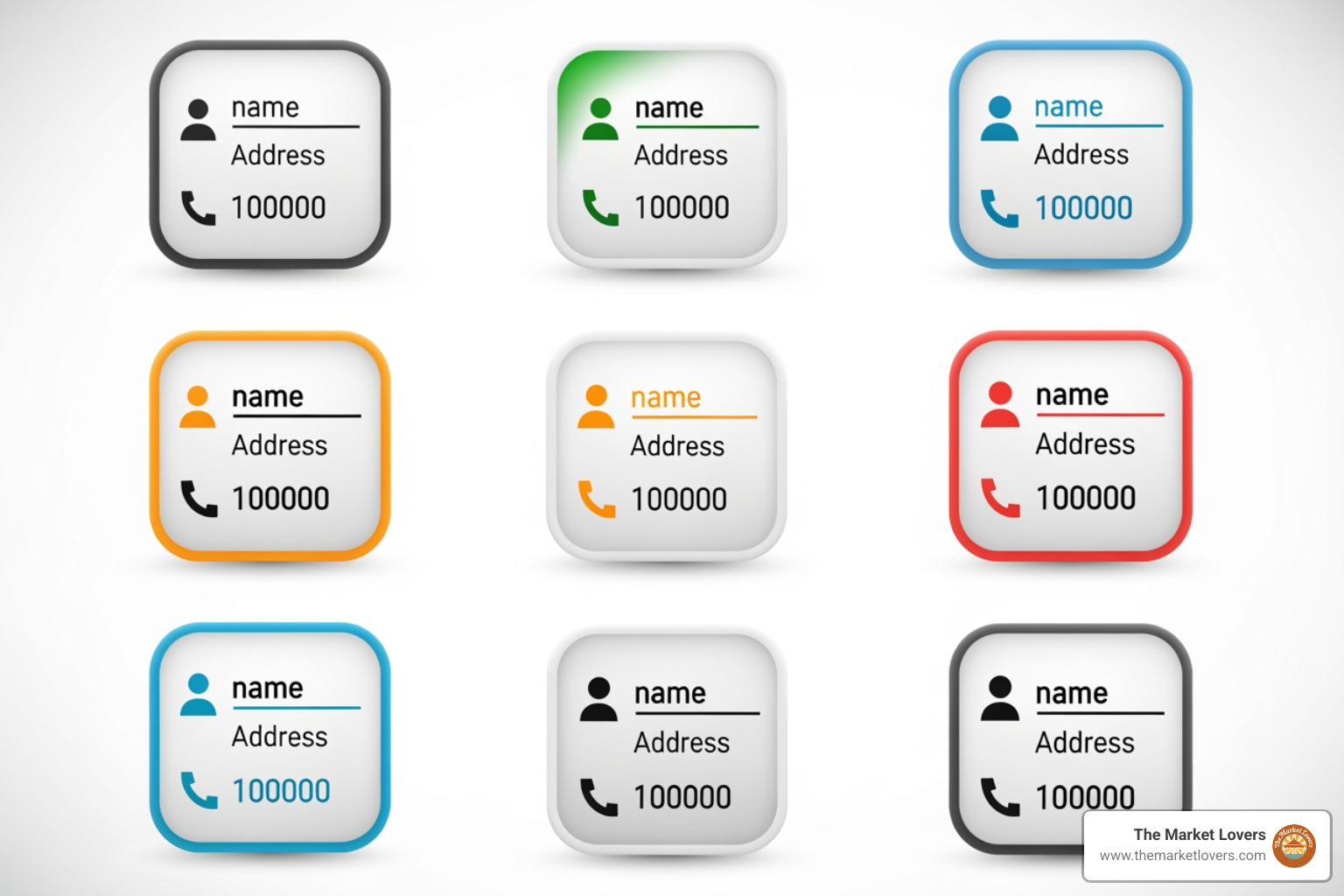
Think of it like this: if your business’s contact information is slightly different on various online directories and your Google Business Profile, search engines get confused. They might see these as different businesses or question the accuracy of the information, which can negatively impact your local search rankings. As our research indicates, “you need to be consistent with all your listings. This means entering the information correctly (and keeping it correct) and checking your listings frequently.” This consistency helps search engines verify your business information, which is crucial for local SEO. Even a small discrepancy, like “St.” versus “Street,” can make a difference.
There are many quality online directories out there. To ensure your business is listed where it counts, you can find a comprehensive list of quality discovery platforms.
Exploring Different Business Findy Tools
Beyond the ubiquitous Google, a diverse array of business findy tools caters to various needs. Knowing which ones to use, whether you’re a business or a customer, can significantly improve your local findy experience.
Here’s a list of types of business findy tools:
- General Directories: Broad online directories are platforms where you can search for almost any type of business. They allow you to browse local businesses near you based on location and category.
- Industry-Specific Directories: Some directories cater to specific niches. For example, a restaurant might be listed on a food-specific directory, or a home service provider on a contractor-focused site.
- Community-Sponsored Platforms: Many cities or local organizations create their own directories to promote local shopping. For instance, some cities have “Local Small Business Directories” that emphasize the “soul of the city” provided by these businesses.
- Payment Network Tools: Some payment providers offer tools to find businesses that actively accept their cards. These tools can be particularly useful for identifying businesses that are currently operating, especially those impacted by events like natural disasters.
- Job-Focused Finders: While not directly for consumer shopping, tools that list employers and workplaces provide contact information for millions of businesses. This can be a unique way to find businesses in your area, perhaps even leading to a new career path.
The key is to explore these different options. For businesses, it means ensuring your presence on the most relevant platforms. For consumers, it means having a broader toolkit to find local businesses online that match your specific needs and values.
Advanced Strategies to Boost Local Visibility
Once you’ve mastered the basics of your local business profile and understood the landscape of findy platforms, it’s time to dive into advanced strategies. This is where local SEO truly shines, giving you a competitive edge by leveraging hyper-localization, understanding customer intent, and integrating social media. Watching a local business success story can provide inspiration, but implementing these tactics will yield tangible results.
The Power of Online Reviews and Customer Trust
Online reviews are more than just feedback; they are a cornerstone of local SEO and a powerful driver of customer trust. We already know that a staggering 73% of people trust a local business more after reading positive reviews. This isn’t just anecdotal; review count and score are directly factored into local search rankings by Google.
For businesses, this means actively cultivating and managing your online reputation. Here’s how:
- Encouraging Reviews: Many customers are happy to support local businesses online if you make it easy for them. Provide links to your Google Business Profile review section or other preferred platforms in follow-up emails, on receipts, or via QR codes at your location. However, be aware that some review platforms explicitly prohibit directly incentivizing or gating reviews, so always check the platform’s guidelines. The best approach is often to ask satisfied customers organically and consistently over time.
- Responding to Reviews: This is crucial. According to Google itself, businesses should “interact with customers by responding to reviews.” Whether the review is glowing or critical, a thoughtful response shows that you value your customers and their feedback. It also demonstrates to potential customers that you are engaged and attentive. Think of it as a public conversation that builds trust.
Managing your online reputation can feel like a full-time job, but the payoff in increased visibility and customer confidence is immense. For more guidance on handling feedback, explore these tips for managing reviews.
How to Find Local Businesses Online with Keywords and Content
To truly stand out, businesses need to think like their customers. How do people search for what you offer? This is where keyword research and localized content come into play, helping you attract those actively looking to find local businesses online.
- Keyword Research: Start by identifying the exact phrases people use. Tools like Ubersuggest can help you find keyword variations and even gauge their competition level. For small businesses with a Domain Authority (DA) of less than 50, focusing on “realistic keyword strategies” often means targeting keywords with modest monthly search volumes so you are not competing with national brands for extremely broad phrases.
- Localized Content (GEO/City Pages): Creating content that speaks directly to your local audience is a game-changer. “Creating GEO or city pages is a great way to improve local SEO efforts.” These are dedicated web pages or blog posts optimized for specific locations. For example, if you’re a bakery, you might have a page titled “Best Wedding Cakes in [Your City Name]” or “Custom Breads in [Your Neighborhood].” The key is to strategically place local keywords within your content – in titles, subheadings, and naturally throughout the body.
- Hyper-localization: This takes localized content a step further, focusing on very specific neighborhoods, suburbs, or even local events. This approach is about understanding “local customer intention” and crafting content that answers their precise, local queries. Ensure that your website’s Title and Description meta tags are optimized with these keywords, keeping them within recommended character limits (around 65 for titles, 160-320 for descriptions) to entice clicks. Use clear headings (H1, H2, H3) within your content to organize information for both readers and search engines.
The goal is to provide detailed, relevant information that Google can easily understand and present to local searchers. We provide excellent keyword research tools and content strategy tips to help you get started.
Leveraging Social Media and Community Insights
In today’s connected world, social media isn’t just for sharing fun updates; it’s a powerful platform for driving local visibility and fostering community engagement. While not directly a ranking factor for local SEO in the same way a Google Business Profile is, an active social media presence can significantly influence how people find local businesses online and interact with them.
- Driving Local Visibility: Share your local content, promotions, and customer interactions on platforms like Facebook, Instagram, and even local community groups. This helps extend your reach beyond direct search results and into the daily feeds of your potential customers. Encourage check-ins and tags to amplify your presence.
- Community Engagement: Social media allows for direct interaction. Respond to comments, answer questions, and participate in local conversations. This builds rapport and loyalty. Furthermore, conducting demographic research on your area to best serve your customers’ needs can inform your social media strategy, ensuring your content resonates with your local audience. What are their interests? What local events are important to them?
- Competitor Analysis: One savvy strategy is to look at other local businesses in your sector and see what is working (or not working) for them. This includes their social media activity. What kind of posts get the most engagement? What promotions are they running? You can use these insights to refine your own approach and aim to do it better.
By actively engaging on social media and continuously understanding your local community’s needs and preferences, you can create a vibrant online presence that attracts and retains local customers. For broader insights into community and workforce needs that can inform your business strategy, you might find resources like mySkills myFuture Justice-ImpactedmySkills myFutureVeterans helpful.
Frequently Asked Questions about Finding Local Businesses
We often hear common questions about navigating the digital landscape to find local businesses online. Let’s address some of them:
How can I ensure the business information I find online is accurate?
While online platforms strive for accuracy, it’s always wise to be a little skeptical. Here are our best tips:
- Check Multiple Sources: Don’t rely on just one listing. Cross-reference information across a business’s Google Business Profile, its official website, and other online directories.
- Look for Recent Reviews: Up-to-date reviews often reflect current operating hours, services, and overall customer experience.
- Visit the Business’s Official Website: This is usually the most authoritative source for their latest information.
- Call Ahead: Especially for critical services or if you’re traveling a distance, a quick phone call can confirm hours, availability, and specific offerings.
- NAP Consistency is a Good Sign: As we discussed, consistent Name, Address, and Phone Number across various platforms indicates a well-managed online presence and higher reliability. Changes to business information can sometimes take a few days to appear, and for new businesses, visibility in rankings may take several weeks.
What’s the best way to support a local business I find online?
Finding a local business is just the first step. Supporting them is where the real community magic happens:
- Make a Purchase: This is the most direct way. Your money circulates within the local economy.
- Leave a Positive Review: If you had a great experience, share it. Positive reviews are incredibly valuable, building trust for other potential customers and boosting the business’s online visibility.
- Share Their Profile on Social Media: Spread the word among your friends and family. A personal recommendation, even online, is powerful.
- Engage with Their Content: Like, comment, and share their social media posts. This helps their content reach a wider audience.
- Tell Friends and Family: Word-of-mouth remains a potent force, even in the digital age.
Are all online business findy platforms free to use?
For consumers, the vast majority of online business findy platforms are free to use. You can search, browse, read reviews, and get directions without any cost.
For businesses, the situation is a bit more nuanced:
- Free Basic Listings: Platforms like Google Business Profile offer free basic listings that are essential for online visibility.
- Premium Features: Many platforms offer upgraded or premium features for businesses, such as improved profiles, advertising options, or analytics, which come with a fee.
- Community Platforms: Local, community-sponsored directories are typically free for businesses to list, aligning with their mission to support local economies.
So, while there might be paid options for businesses to improve their presence, the fundamental ability to find local businesses online is almost universally free for the user.
Conclusion: Become a Local Shopping Champion
We’ve journeyed through the digital landscape, uncovering the best ways to find local businesses online and understanding the strategies that help them shine. From mastering your local business profile with complete and consistent information to leveraging the power of online reviews and localized content, the path to greater local visibility is clear. We’ve also explored the diverse array of findy platforms and the crucial role of social media in fostering community connections.
At The Market Lovers, our mission is to empower local shopping through a connected network for small businesses. We believe that when small businesses thrive, entire communities flourish. Your role as a savvy consumer, equipped with the knowledge to find and support these local gems, is more important than ever.
So, go forth and be a local shopping champion! Use these tools and strategies to connect with the unique businesses in your community, turn online searches into real-world experiences, and help build a stronger, more vibrant local economy.
Ready to make a difference? About Us and start connecting with your local community today.