
Why Local Business Networking Events Are Essential for Small Business Growth
Local business networking events near me are gatherings where business owners, entrepreneurs, and professionals meet to build relationships, share referrals, and support each other’s growth. These events happen in your community through Chambers of Commerce, local mentoring groups, and networking communities.
Quick ways to find local networking events:
- Search event platforms for “Small Business Networking” in your area
- Check your local Chamber of Commerce website for their event calendar
- Look for nearby small-business mentoring programs that host free sessions and networking
- Join Facebook Groups like “Small Business Networking” (almost 300,000 members)
- Check the SBA event directory for free workshops and meetups
It’s a business axiom that people do business with people they know, like and trust.
For market vendors and small business owners, feeling isolated is one of the hardest parts of running your business. You work long hours, face constant challenges, and sometimes wonder if anyone really understands what you’re going through.
Here’s the good news: you’re not alone. Thousands of business owners in your area are looking for the same thing you are—connection, support, and practical help to grow their businesses.
Networking events bring together people who get it. They’ve faced the same struggles with visibility, cash flow, and finding customers. And when you connect with them, something powerful happens. You gain referrals, learn new strategies, find mentors, and build relationships that can transform your business.
The numbers prove it works. Members of structured networking organizations around the world generate billions in revenue from referrals every year. Volunteer business mentors help tens of thousands of new businesses start and stay open.
This guide will show you exactly where to find networking events in your area, what to expect when you get there, and how to make connections that actually help your business grow.
Why Networking is a Game-Changer for Your Small Business
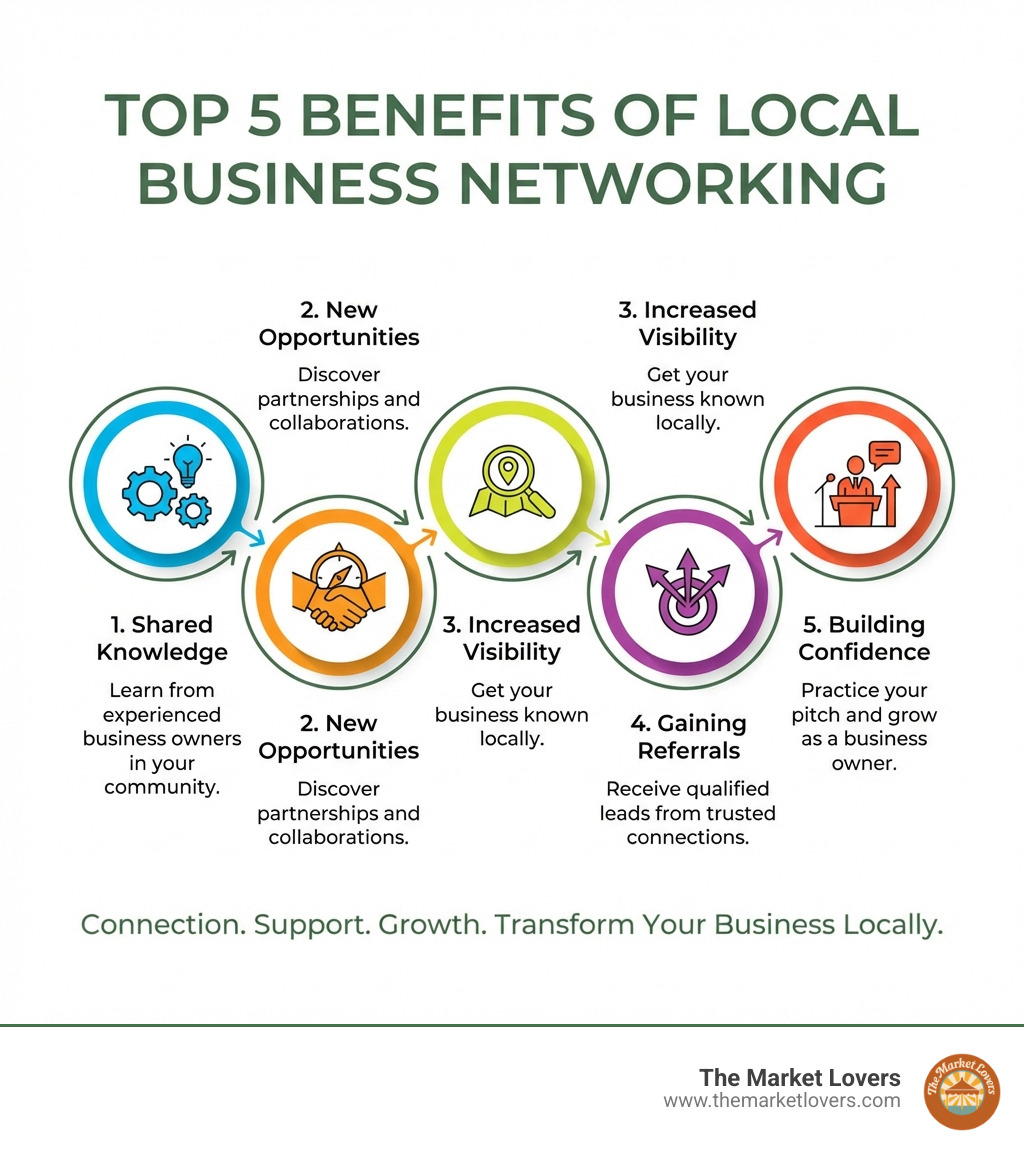
Networking isn’t just about collecting business cards; it’s about building relationships that can fundamentally change the trajectory of our businesses. For us, as small business owners and market vendors, the benefits are immense and often overlooked.
Firstly, networking is crucial for building relationships. We all know that people prefer to do business with those they know, like, and trust. Networking events provide the perfect environment to cultivate these connections. These aren’t just potential customers, but also collaborators, mentors, and friends who understand the unique challenges of entrepreneurship.
One of the most tangible benefits is gaining referrals. Imagine a fellow business owner, impressed by your work, confidently recommending your services to their clients. This is the power of a strong referral network. Many formal networking organizations are built entirely on this principle, and their members collectively generate billions in revenue from referrals each year. That’s a huge testament to the effectiveness of referral-based networking.
Networking also offers invaluable opportunities for finding mentors. Seasoned entrepreneurs have walked the path we’re on and can offer guidance, share their experiences, and help us avoid common pitfalls. Local mentoring programs and business support organizations provide free, one-on-one mentoring sessions, connecting new business owners with experienced volunteers. These kinds of programs have helped start tens of thousands of new businesses, with a high percentage of their clients staying in business. This kind of wisdom and support is priceless for our professional development.
Beyond direct referrals and mentorship, networking contributes significantly to our professional development. We learn new skills, stay current on industry trends, and gain insights from others’ successes and failures. These events often feature guest speakers, workshops, and discussions that can expand our knowledge base. It’s a fantastic way to keep learning and evolving as business leaders.
Overcoming challenges feels less daunting when we have a network to lean on. Whether it’s a marketing dilemma, a hiring struggle, or a cash flow crunch, having a community of peers means we can ask for advice, brainstorm solutions, and even find partners to collaborate with. This shared experience fosters a sense of community support that combats the isolation many of us feel.
Finally, networking helps in boosting confidence and staying motivated. Successfully navigating a networking event, delivering our elevator pitch, and making new connections can be a huge confidence booster. Hearing about others’ triumphs and struggles reminds us that we’re all in this together, providing the motivation to keep pushing forward. It’s truly a game-changer for any small business looking to thrive.
Where to Find Local Business Networking Events Near Me
Finding the right local business networking events near me is like finding the right ingredients for a perfect recipe – it requires a little searching, but the results are delicious! The key is knowing where to look and what types of groups might best suit our business needs and goals.

Whether we’re seeking new clients, mentorship, local connections, or professional development, there’s a networking avenue for us. Let’s explore some of the most effective ways to find these opportunities, from digital platforms to traditional community organizations. Being proactive in our search is the first step to opening a world of connections.
Using Online Platforms to Find Local Business Networking Events Near Me
Many of the best networking opportunities start online. These platforms help us find events, connect with professionals, and even participate in virtual gatherings from the comfort of our homes or offices.
- Event platforms: Use well-known event sites to search for local, in-person, and virtual gatherings focused on small business networking. Try keywords like “small business networking” plus your city.
- Community listing sites: Local event calendars, city guides, and neighborhood sites often feature workshops, seminars, and networking events. Use keywords like “business networking,” “entrepreneur meetup,” or “industry mixer” along with your region.
- Alignable: This is a social network specifically designed for small businesses to connect locally. Alignable helps us find local businesses, exchange referrals, and find networking events happening in our community. It’s a great tool for building hyper-local connections and getting referrals from neighboring businesses.
- Facebook Groups: There are countless Facebook Groups dedicated to small business owners. Groups like “Small Business Networking” boast almost 300,000 members, offering a space to learn from peers, share challenges, and find local events. We can also find niche groups for specific demographics, such as women-owned, Black-owned, or veteran-owned businesses, which often organize local meetups.
- LinkedIn Groups: LinkedIn is more than just an online resume; it’s a professional social platform with over 1 billion users worldwide. We can join industry-specific or local business networking groups, follow trends, and share updates about our businesses. Using filters like location and industry helps us find the right connections and relevant events posted by group members.
- Shmooze virtual networking hub: Use virtual networking hubs that bring together small business owners for online meetups, speed networking, and topic-based discussions, so you can build connections even when you can’t attend events in person.
Checking with Local Organizations
While online platforms are fantastic, traditional local organizations remain cornerstones of community business networking. They often host regular events and offer a more structured approach to relationship building.
- Your local Chamber of Commerce: This is often the first place we should look for local business networking events near me. Chambers of Commerce are dedicated to promoting local business growth and typically host a wide variety of events, from casual mixers like “Business After Hours” to educational seminars and signature annual meetings. They are excellent for building local relationships, gaining visibility, and staying informed about community issues.
- Local mentoring and counseling programs: Nonprofit business support groups offer free business mentoring and educational resources. Many have local chapters that host workshops, webinars, and networking events. It’s an excellent choice for us if we’re seeking free, one-on-one mentorship and practical business education from seasoned professionals.
- Small Business Development Centers (SBDCs): SBDCs provide counseling and training to small businesses. Often affiliated with universities, they also organize workshops and events that include networking opportunities, focusing on topics like business planning, marketing, and finance.
- Rotary Clubs: Founded in 1909, Rotary is a global service organization that brings together business and community leaders. Joining a local Rotary Club allows us to make a positive local impact while building lasting professional relationships through community service and regular meetings.
- Structured referral organizations: If we’re serious about referral-based networking, structured networking groups are a highly organized option to consider. Local chapters typically meet weekly, often allowing only one person per professional classification. Members are committed to passing qualified referrals to each other. It’s a significant time and financial commitment, but it can lead to substantial business growth through consistent, goal-oriented networking.
Before joining any networking group, it’s wise to ask ourselves a few questions:
- What are our goals for networking (e.g., more clients, mentorship, local connections, professional development)?
- Does the group’s structure and cost align with our business stage and budget?
- Is the group active, with a clear cadence of events and engagement?
- What is the member diversity like (mix of industries, experience levels)?
- Are there opportunities for active participation, not just passive attendance?
- What resources (education, advocacy) does the group offer?
Industry-Specific Groups and Local Business Networking Events Near Me
Sometimes, the best connections are found within our own industry or niche. These groups allow us to connect with peers who truly understand our specific business challenges and opportunities.
- Trade Associations: Most industries have local or national trade associations that offer networking events. For instance, national associations like the International Janitorial Cleaning Services Association (IJCSA) or the Professional Beauty Association (PBA) have local chapters. These provide a low-pressure way to build professional networks while staying current on industry trends and local regulations. We can search for our specific industry + “association” + our city to find relevant groups.
- Niche Communities: Beyond formal associations, many niche communities exist. These could be local groups for graphic designers, real estate agents, tech startups, or even specific types of market vendors. Event platforms and social media groups are excellent for finding these specialized communities.
- Women’s Business Groups: There’s a strong network of organizations dedicated to supporting women entrepreneurs. The Women’s Business Enterprise National Council (WBENC) is the largest certifier of women-owned businesses in the U.S. and a leading advocate. Other examples include national and local women’s business associations, plus LinkedIn and Facebook groups like “HerBusiness” or “BossMomGroup”. These groups provide mentorship, networking, business training, and support custom to women.
- Minority-Owned Business Groups: Many communities have organizations focused on supporting minority entrepreneurs, offering custom resources, mentorship, and networking opportunities. These can be found through local economic development offices or by searching online directories.
- Veteran-Owned Business Groups: Similar to minority-owned groups, there are dedicated networks for veteran entrepreneurs, providing unique support structures and networking opportunities.
What to Expect: A Guide to Different Event Types
Walking into a networking event without knowing what to expect can feel a bit like showing up to a party without an invitation. But once we understand the different types of local business networking events near me, we can choose those that best fit our comfort level and goals, and arrive prepared.

The format, atmosphere, and even the cost can vary widely. Understanding these differences helps us maximize our time and investment.
Casual Mixers and “Business After Hours”
These are perhaps the most common and often the most relaxed type of networking event.
- Atmosphere: Expect a low-pressure environment, often held at a local business, restaurant, or community center after typical working hours. The focus is on open mingling, casual conversations, and making initial connections.
- What to Expect: Typically, there will be complimentary appetizers and beverages, sometimes even door prizes. There might be a brief welcome from the host organization or a sponsor, but no formal program. It’s a great place to practice our elevator pitch and meet a diverse range of local professionals.
- Cost: These events are often free for members of the hosting organization (like a Chamber of Commerce) and might have a small cover charge for non-members.
Structured Referral Groups
These groups are designed for serious business growth through consistent referrals.
- Atmosphere: Much more formal and commitment-driven than casual mixers. Meetings are typically weekly or bi-weekly, often early mornings, and follow a strict agenda.
- What to Expect: Members usually represent different industries (one person per industry) to avoid competition. The focus is on educating each other about our businesses and passing warm, qualified referrals. There are often segments for member presentations, referral updates, and testimonials. Some groups even require members to provide a certain number of leads or bring guests each month.
- Cost: These groups typically have a higher cost, including annual membership fees and sometimes weekly meeting fees, reflecting the significant business value they aim to provide.
Educational Workshops and Seminars
These events combine learning with networking, offering a dual benefit.
- Atmosphere: Can range from formal classroom settings to more interactive conference styles. The primary goal is professional development and learning from industry experts.
- What to Expect: We’ll find guest speakers, panel discussions, and practical training on topics relevant to small businesses, such as marketing strategies, financial management, or legal compliance. Networking usually happens during breaks, before, and after the formal sessions. It’s an excellent way to gain new skills and meet like-minded professionals interested in the same topics. Many local business support organizations host similar educational events.
- Cost: The cost varies widely. Many are free (especially those hosted by government-backed organizations), while others may have a fee to cover speaker costs or venue.
Virtual Networking Events
When in-person events aren’t feasible or convenient, virtual options offer fantastic accessibility.
- Atmosphere: Conducted entirely online, usually through video conferencing platforms. They can range from large webinars to smaller, interactive sessions.
- What to Expect: Virtual events often include presentations, Q&A sessions, and sometimes even breakout rooms for smaller group discussions, mimicking the mingling aspect of in-person events. The convenience of attending from anywhere is a huge plus. Many organizations, like local Chambers of Commerce or online networking communities, host specific virtual meetups. You might find groups that meet regularly online, giving you a chance to tell others about your business and explain what a good referral looks like.
- Cost: Often free or low-cost, making them highly accessible for many small business owners.
Making the Most of Every Handshake and Hello
Networking isn’t about magic; it’s about strategy and authenticity. To truly benefit from local business networking events near me, we need to approach them with purpose and follow through. It’s a marathon, not a sprint, and building genuine relationships takes time and effort.
Before You Go: Prepare for Success
Preparation is key to turning a casual encounter into a valuable connection.
- Set a Goal: Don’t just show up. Decide what you want to achieve. Is it to meet five new contacts? Find a potential mentor? Learn about a specific industry trend? Having a clear goal will guide your interactions.
- Practice Your 30-Second Elevator Pitch: This is your concise, engaging summary of who you are, what you do, and who you help. It should be clear, memorable, and spark curiosity. Practice it until it feels natural, not rehearsed.
- Bring Business Cards: While digital connections are common, a physical business card still makes a professional impression. Make sure yours is up-to-date and reflects your brand.
- Research Attendees (If Possible): For some events, especially more formal ones, an attendee list might be available beforehand. If so, take a few minutes to identify key people you’d like to meet and learn a little about them. This allows for more targeted and meaningful conversations.
During the Event: Connect with Purpose
Once you’re at the event, shift your focus from selling to connecting.
- Listen More Than You Talk: People appreciate being heard. Ask thoughtful questions about their business, their challenges, and their successes. Show genuine interest. This makes a much stronger impression than simply talking about yourself.
- Ask Open-Ended Questions: Instead of “What do you do?”, try “What’s the most exciting project you’re working on right now?” or “What kind of challenges are you facing in your industry?” This encourages conversation and reveals common ground.
- Focus on Helping Others: Think about how you might be able to help the person you’re talking to, whether it’s by offering advice, sharing a resource, or making an introduction. This creates goodwill and reciprocity.
- Don’t Just Sell: The goal is to build a relationship, not to close a deal on the spot. If a natural opportunity arises to discuss your services, great. Otherwise, focus on learning and connecting. Quality over quantity when it comes to connections.
After the Event: The Fortune is in the Follow-Up
The real work of networking begins after the event is over. Many people skip this crucial step, missing out on potential opportunities.
- Send a Personalized Email or LinkedIn Message Within 24-48 Hours: The sooner, the better, while the conversation is still fresh in their mind. Avoid generic templates.
- Reference Your Conversation: Remind them of what you discussed. “It was great chatting about [specific topic] at the [event name] last night.” This shows you were listening and value the interaction.
- Suggest a Next Step: This could be a brief coffee chat, a phone call to discuss a potential collaboration, or sharing a relevant article you mentioned. Make it easy for them to continue the conversation.
- Add New Contacts to Your Network: Whether it’s adding them to your CRM, a specific contact list, or simply making a note about your interaction, organize your new connections so you can nurture these relationships over time.
Frequently Asked Questions about Local Networking
We’ve covered a lot about finding and making the most of local business networking events near me. Here are some common questions we often hear from small business owners stepping into the networking world:
What should I wear to a business networking event?
This is a classic question! The best advice is business casual, but always consider your industry and the specific event. If you’re in a creative field, you might have more leeway. If it’s a formal chamber event, a blazer or professional attire is a safe bet. Comfort is also key – you want to feel confident and at ease. When in doubt, it’s generally better to be slightly overdressed than underdressed. Think polished and professional, but approachable.
How do I overcome networking anxiety?
It’s completely normal to feel a bit nervous! Here are a few tips to help us ease into it:
- Start Small: Attend a smaller, more intimate event first, or a virtual one where you can be a bit more anonymous initially.
- Bring a Friend: If possible, go with a colleague or friend. Having a familiar face can boost your confidence and help you initiate conversations.
- Set a Simple Goal: Instead of aiming to “network perfectly,” set an achievable goal, like “talk to three new people” or “learn one new thing.” This makes it less intimidating.
- Remember Everyone is There to Connect: Most people at networking events are in the same boat – they want to meet new people too! Approach others with a smile and an open demeanor, and you’ll often find them receptive.
- Focus on Others: Shift your focus from your own anxiety to genuine curiosity about the other person. Asking questions and listening attentively can take the pressure off yourself.
Are virtual networking events as effective as in-person ones?
They can be, but they offer different advantages! In-person events allow for more organic, spontaneous interactions, and it’s often easier to build rapport through non-verbal cues. Many business owners are excited to attend in-person events again because of this.
However, virtual networking events excel in convenience and accessibility. We can attend from anywhere, saving time and travel costs. They often provide structured opportunities for interaction, like breakout rooms, which can be very effective for focused discussions. The success of a virtual event largely depends on the platform and our active participation. Many find that a hybrid approach—combining both in-person and virtual events—offers the best of both worlds, allowing us to expand our reach while nurturing local, face-to-face connections.
Conclusion
Finding local business networking events near me is more than just an activity; it’s a strategic investment in our business’s future. We’ve seen how these events can be game-changers, offering everything from valuable referrals and mentorship to professional development and a supportive community.
The various types of events, from casual mixers to structured referral groups and educational workshops, provide diverse avenues for connection. And with the rise of virtual platforms, networking is more accessible than ever, allowing us to connect regardless of our schedules or locations.
The key is to start small, be consistent, and focus on building genuine relationships. Prepare before you go, connect with purpose during the event, and always follow up. Each handshake, each conversation, is an opportunity to learn, grow, and strengthen our position in the local business landscape.
At The Market Lovers, we understand the power of connection for small businesses and market vendors. We believe in empowering local shopping through a connected network, and we’re passionate about fostering a community where everyone can thrive.
Ready to find your local link-up and grow your business? Join our network of passionate business owners at The Market Lovers and find even more resources and connections designed to help you succeed.