
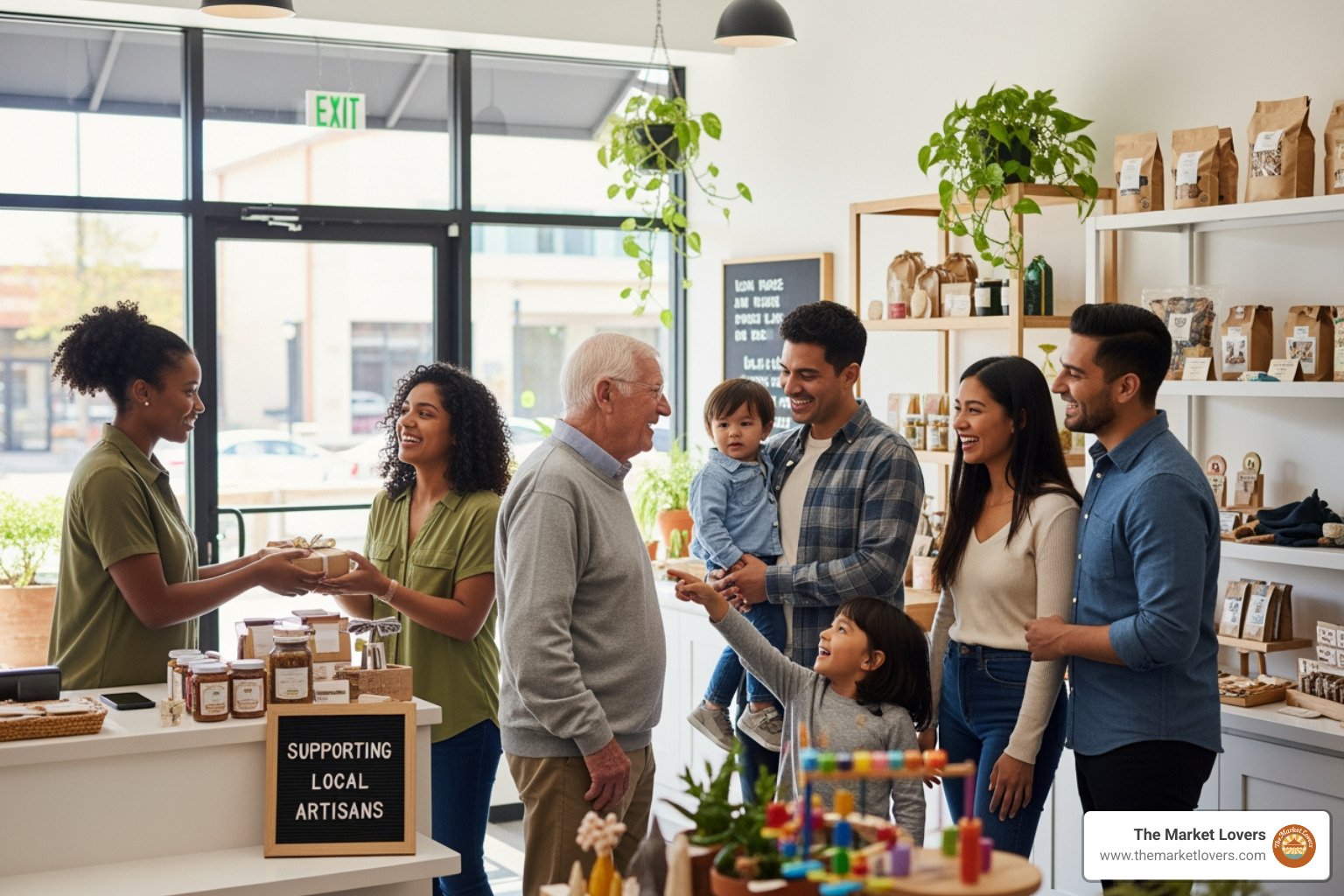
Boost Your Business: Proven Strategies for Customer Retention
Boost Your Business: Proven Strategies for Customer Retention
Customer loyalty strategies are the proven methods businesses use to build lasting relationships with their customers, turning one-time buyers into repeat purchasers and brand advocates. Here are the most effective strategies you can implement today:
Top Customer Loyalty Strategies:
- Personalize experiences – Use customer data to tailor interactions and recommendations
- Provide exceptional service – Respond quickly, show empathy, and go the extra mile
- Build community – Create spaces for customers to connect with your brand and each other
- Implement rewards programs – Offer points, tiers, or exclusive perks for repeat business
- Act on feedback – Listen to customers and make visible improvements based on their input
- Communicate values – Share your mission and demonstrate corporate social responsibility
- Make returns easy – Remove friction from the purchase and return process
- Stay consistent – Deliver reliable experiences across all touchpoints
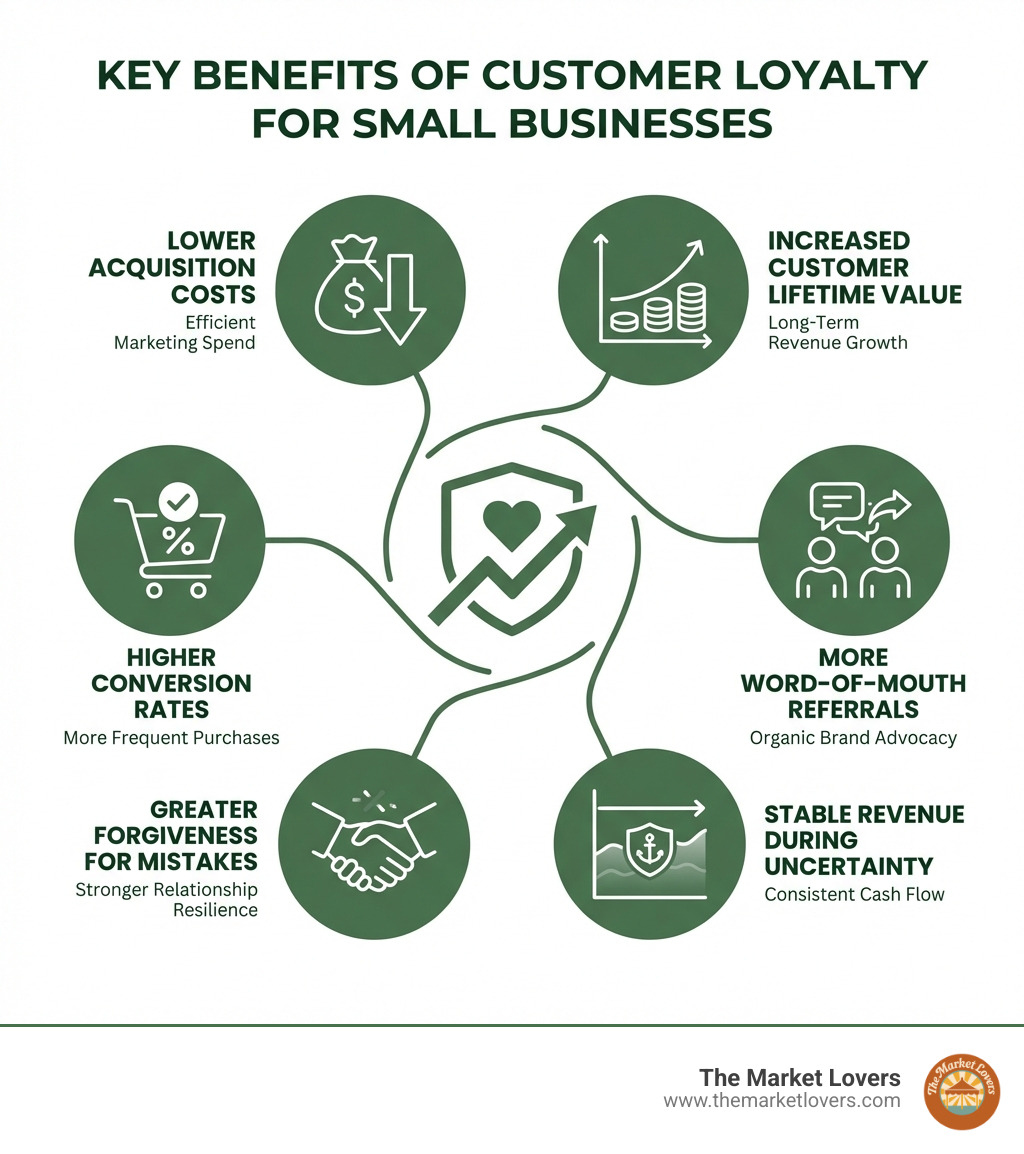
As a small business owner, you know that competing for customers is tough. Here’s a key insight: it costs at least five times more to acquire a new customer than to retain an existing one. Even more compelling, a 5% increase in customer retention can boost your profits by 25% to 95%.
Loyal customers are your most valuable asset. They spend more over time, forgive mistakes, and become brand advocates. However, with 30 to 40% of consumers regularly switching brands, building this loyalty is a challenge. It requires more than fair prices; it demands intentional strategies that create emotional connections.
This guide will show you how to implement proven customer loyalty strategies for your small business. You’ll learn to measure what matters, use technology effectively, and build a community that keeps customers returning.
The Foundation: Customer Experience and Emotional Connection
At The Market Lovers, we believe the heart of any successful small business lies in the relationships it builds. At the core of these relationships is the customer experience. It’s not just what you sell, but how you make your customers feel. This is where Customer Experience Management (CXM) comes in.

CXM is the process of optimizing every interaction a customer has with your brand. It spans from their first visit to your website to post-purchase support. Effective CXM improves customer satisfaction, builds trust, and fosters brand loyalty.
When we talk about customer loyalty, it’s helpful to understand its different shades:
- Behavioral Loyalty: This is about habit and convenience. A customer might repeatedly buy from you because it’s easy. It’s transactional and fragile.
- Emotional Loyalty: This is a deeper connection. Customers choose you because they trust you and love your brand values. They advocate for you, even if it means paying more. This is the holy grail of loyalty.
- Attitudinal Loyalty: This is when a customer intends to buy from you based on rational reasons like product quality. It’s a precursor to behavioral and emotional loyalty.
Here’s a quick comparison:
| Feature | Behavioral Loyalty | Emotional Loyalty |
|---|---|---|
| Driver | Habit, convenience, price, ease of access | Trust, shared values, positive experiences, personal connection |
| Nature | Transactional, often fragile | Relational, durable, resilient |
| Switching Likelihood | High if a better option arises | Low, even with minor inconveniences or cheaper alternatives |
| Advocacy | Low to none | High, actively recommends the brand |
Moving customers to deep emotional loyalty is powerful. In fact, implementing an emotional connection-based strategy can reduce customer attrition. This concept ties into the “service-profit chain,” which links employee satisfaction, customer satisfaction, and profitability. Happy employees provide better service, leading to happier, more loyal customers.
Understanding Different Types of Customer Loyalty
Understanding these distinctions helps us tailor our customer loyalty strategies more effectively. Here are the 5 main types of loyal customers:
- Satisfied Customers: They are content but not emotionally invested and can be swayed by competitors.
- Convenience Loyals: They choose you for ease of access. Their loyalty is to convenience, not your brand.
- Price-Sensitive Loyals: These customers are loyal only to the best price and will switch for a better deal.
- Truly Loyal Customers: Your fans who choose you for quality, service, or brand values, and are less swayed by price.
- Brand Advocates: The pinnacle of loyalty. They don’t just buy from you; they actively promote your business to others.
Our goal is to move customers up this ladder, from satisfied to brand advocates.
Why Customer Experience is the Bedrock of Loyalty
Customer experience (CX) is the absolute bedrock of loyalty. A staggering 89% of businesses say that customer experience is critical for driving customer loyalty and improving retention. This isn’t a nice-to-have; it’s a must-have.
Here’s why CX is so vital:
- Omnichannel Experience: Customers interact with us across multiple channels. An omnichannel strategy provides a seamless, consistent experience across all touchpoints. Companies with strong omnichannel strategies retain an average of 89% of their customers, compared to only 33% for those with weak strategies.
- Customer Journey Mapping: By mapping every step a customer takes, we can identify touchpoints and “pain points” where the experience might falter. Addressing these pain points is key to a smooth customer journey.
- First Interaction Importance: A memorable, positive first experience can significantly impact a customer’s perception and willingness to return.
- Post-Purchase Engagement: The relationship doesn’t end at the sale. Following up with helpful tips or after-sales support strengthens the bond and shows you care beyond the transaction.
Actionable Customer Loyalty Strategies That Build Relationships
Now that we understand the importance of customer experience, let’s get into the actionable customer loyalty strategies that build genuine, lasting relationships.
Beyond great service, we need to connect on a deeper level through:
- Personalization: Treating each customer like an individual.
- Exceptional Customer Service: Going above and beyond to solve problems.
- Community Building: Creating spaces where customers feel they belong.
- Rewards Programs: Offering tangible incentives for repeat business.
- Brand Values & Corporate Social Responsibility (CSR): Sharing what we stand for. 80% of Millennials expect brands to show good corporate citizenship, and two-thirds will pay more to support them.
Leveraging Personalization in Your Customer Loyalty Strategies
Personalization makes customers feel seen and valued. It’s about understanding their needs to tailor their entire experience.
- Tailoring Interactions: Use preferences, past purchases, and buying behavior to create a sense of connection. Remembering a customer’s name or recommending products based on past choices fosters this bond.
- Using Customer Data (Responsibly!): Securely collect and analyze customer data with tools like CRM systems to gain insights, anticipate needs, and offer relevant solutions.
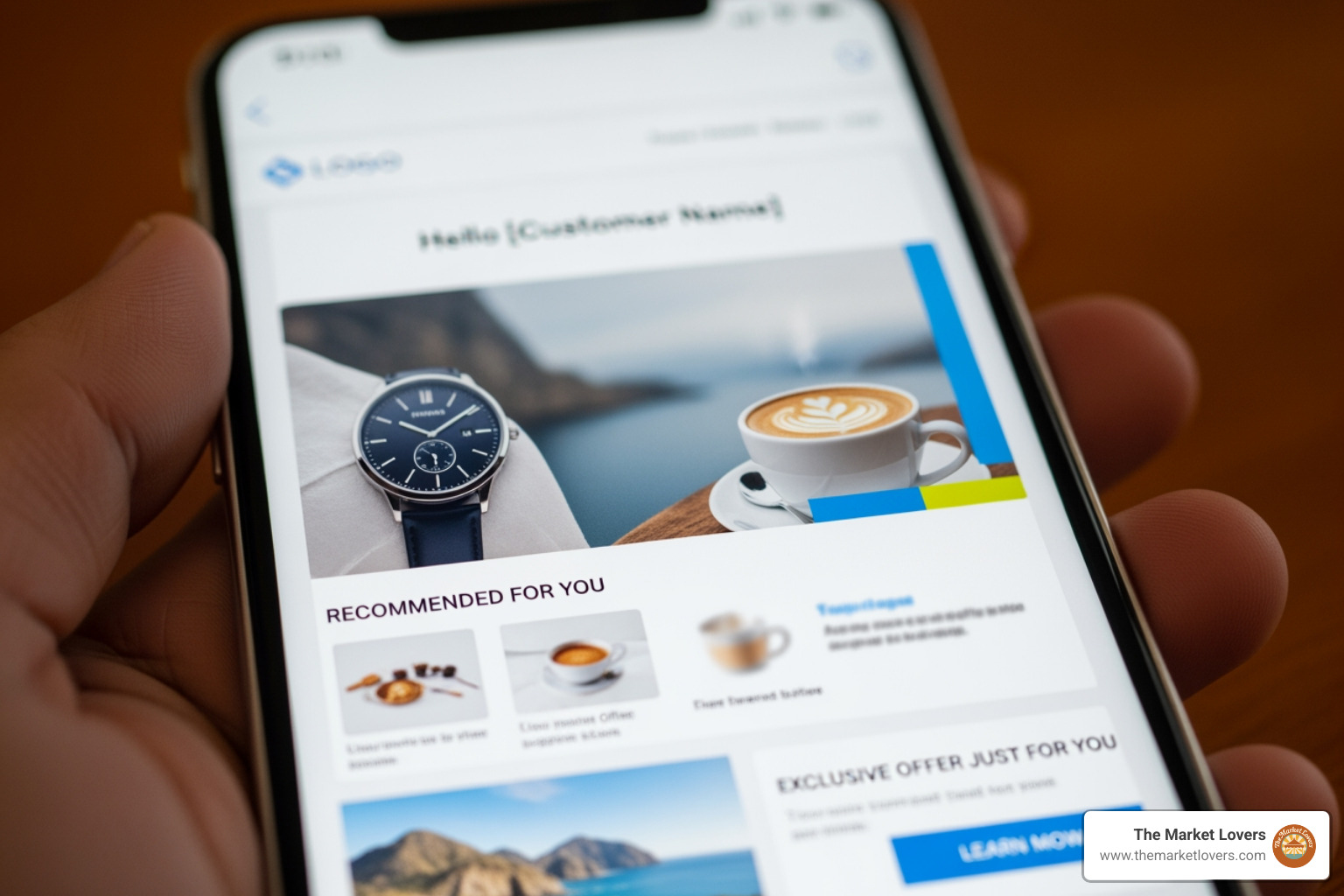
- Personalized Recommendations: A simple “You bought X, you might like Y!” shows you understand their tastes. 80% of shoppers are more likely to buy when brands offer personalized experiences.
- Celebrating Milestones: A personalized “Happy Birthday” email with a discount or an anniversary message shows you remember them beyond their last transaction.
- Surprise and Delight Tactics: Unexpected gestures like a small gift, a handwritten note, or a free upgrade can create a powerful emotional connection. Chewy.com is famous for sending pet portraits and holiday cards to its customers.
The Best Power of Exceptional Customer Service
Exceptional customer service isn’t just about fixing problems; it’s about building relationships and can solidify loyalty to a brand.
- Human Connection: Despite digital tools, 79% of consumers find human interaction important. Having a real person available for complex issues is invaluable.
- Empathy and Rapport: Train your team to listen, understand, and connect. This transforms transactional interactions into relational ones, building trust.
- Proactive Support: Anticipate customer needs and reach out before they have a question, such as sending usage tips after a purchase.
- Self-Service Options: Offer self-service options like comprehensive FAQs or chatbots for instant answers to simple questions, freeing up your team for more complex issues.
- Handling Complaints: A complaint is an opportunity. How we handle a negative experience can define loyalty. Resolving issues quickly and with care can turn a frustrated customer into an advocate. In fact, 75% of consumers will pay more for products from companies that provide a good service experience, and 74% will forgive an error after receiving excellent service.
Fostering Community and a Sense of Belonging
Building a community around your brand creates a powerful bond that transcends commerce.
- Online Communities & Social Media Groups: Create dedicated spaces like Facebook groups or forums where customers can connect with each other and your brand.
- User-Generated Content (UGC): Encourage customers to share their experiences on social media. Highlighting their posts makes them feel like a valued part of your brand’s story.
- Exclusive Events: Offer special access to online or in-person events like workshops or product previews. Sephora’s Beauty Insider program successfully uses exclusive experiences to build loyalty.
- Brand Values: Shared values are the glue that holds a community together. When customers resonate with what you stand for, they feel a deeper connection. At The Market Lovers, we empower local shopping and foster connections. You can learn more about what drives us on our About Us page.
- In-Person Gatherings: If feasible, host in-person meet-ups or workshops. Face-to-face interactions can significantly deepen relationships and foster a strong sense of belonging.
Building Trust Through Consistency and Feedback
Trust is the bedrock of any strong relationship, and our customer relationships are no exception. We build trust through consistency, transparency, and by actively listening to and acting on feedback.
The Impact of a Hassle-Free Purchase and Return Process
A frustrating checkout or return process can destroy trust. A hassle-free experience is a non-negotiable for building loyalty.
- Streamlined Checkout: Ensure your checkout is fast, transparent, and intuitive. Following eCommerce store best practices reduces friction and builds confidence.
- Simple Return Policies: View returns as a chance to build trust. A clear, customer-friendly return policy shows you stand behind your products and value customer satisfaction.
- Building Confidence & Reducing Purchase Friction: When customers know returns are easy, they feel more confident making a purchase. This reduces perceived risk and encourages repeat business.
How to Effectively Gather and Act on Customer Feedback
Feedback is a gift that tells us where we can improve. But gathering it is only half the battle; acting on it is what truly builds loyalty.
- Surveys & Online Reviews: Proactively ask for feedback through short post-purchase surveys or requests for online reviews on platforms like Google or Yelp.
- Social Listening: Monitor social media mentions and online discussions about your brand to understand public perception and catch issues early.
- Customer Voice Capabilities: Some CRM systems include customer voice capabilities, offering direct insight into the customer experience and how consumers talk about your brand.
- Closing the Feedback Loop: This is critical. Show customers you’ve heard them by acting on their suggestions. Announce a new feature based on feedback or send a personalized email. When customers see their input leads to visible changes, it creates a powerful sense of involvement.
Measuring and Scaling Your Loyalty Initiatives
We can implement all the amazing customer loyalty strategies in the world, but if we don’t measure their impact, how will we know what’s working? Measuring success allows us to refine our approach and prove the ROI of our loyalty efforts.
Key Metrics to Measure the Success of Your Efforts
To understand how our customer loyalty strategies are performing, we need to track specific Key Performance Indicators (KPIs). These tell us about the health of our customer relationships.
- Customer Lifetime Value (CLV): The total revenue you expect from a customer over their entire relationship with your business. A higher CLV indicates stronger loyalty.
- Net Promoter Score (NPS): Measures loyalty by asking how likely customers are to recommend your business. It categorizes customers into Promoters, Passives, and Detractors.
- Customer Retention Rate (CRR): The percentage of customers who continue to do business with you over a specific period. A high CRR means your efforts are working.
- Customer Churn Rate: The opposite of retention; the percentage of customers you lose. The goal is to minimize churn.
- Repeat Purchase Rate: The percentage of customers who have made more than one purchase, a direct indicator of behavioral loyalty.
- Redemption Rate: For loyalty programs, this measures how many rewards are being redeemed. A low rate may mean your rewards aren’t appealing.
- Average Order Value (AOV): Loyal customers often spend more. The average repeat customer spent 67% more in months 31–36 of their shopping relationship than in their first six months. Monitoring AOV highlights the financial benefit of loyalty.
Leveraging Technology to Improve Your Customer Loyalty Strategies
Technology is a powerful enabler for effective customer loyalty strategies, helping to personalize interactions at scale and automate processes.
- Customer Relationship Management (CRM) Systems: A CRM is your central hub for all customer data. It helps track interactions, manage contacts, and segment your audience. This provides a 360-degree view of the customer, enabling you to tailor marketing, recommendations, and offers to individual needs.
- Artificial Intelligence (AI): AI is revolutionizing loyalty.
- Chatbots: AI-powered chatbots provide 24/7 support for common questions, freeing up human agents for complex issues. 64% of consumers are more trusting of friendly, people-centric AI tools.
- Personalized Recommendations: AI algorithms analyze past behavior to suggest products a customer is likely to be interested in. 61% of consumers expect more personalized service from AI.
- Predictive Analytics: AI can predict future customer behavior, such as who is at risk of churning, allowing you to intervene proactively.
- Marketing Automation: These tools automate email campaigns and personalized messages, ensuring consistent communication to nurture loyalty without constant manual effort.
Frequently Asked Questions about Customer Loyalty
We know you might have some burning questions about how to make these customer loyalty strategies work for your small business. Here are some of the most common ones we hear:
What is the difference between customer loyalty and customer retention?
This is a great question! Customer retention is a metric that measures the behavior of repeat business (the “what”). Customer loyalty is the underlying positive emotional connection that makes a customer choose your brand (the “why”).
Think of it this way: a customer might be “retained” out of convenience. But a truly “loyal” customer will go out of their way to support you because they love what you stand for. True loyalty leads to more durable retention.
Can a small business create an effective loyalty program?
Absolutely! Small businesses are uniquely positioned to excel by emphasizing personalization, community, and genuine connection—things larger companies often struggle to replicate.
A simple points program, a tiered system, or even an unexpected gift can be incredibly powerful. The key is to make it meaningful and easy for your customers to understand. You don’t need a massive budget, just a clear strategy and a genuine desire to make customers feel valued.
What are the most effective types of loyalty programs?
The “most effective” type depends on your business, but several models consistently deliver strong results:
- Points-Based Programs: A classic model where customers earn points for purchases that can be redeemed for rewards. It’s straightforward and encourages repeat buying.
- Tiered VIP Programs: Customers are segmented into levels (e.g., Bronze, Silver, Gold) with increasingly valuable benefits. This creates a sense of aspiration and exclusivity.
- Referral Programs: Incentivize existing customers to bring in new ones. A “give X, get X” model is highly effective as it leverages word-of-mouth marketing.
- Mission-Driven Programs: These resonate with customers who prioritize social responsibility. For every purchase, a portion goes to a charity. This aligns with the values of 80% of Millennials who expect brands to show good corporate citizenship.
- Subscription Programs: For businesses with recurring products, a subscription model (like Amazon Prime) offers perks like free shipping or exclusive content for a recurring fee. The value must be strong for customers to commit.
The best program will be one that genuinely rewards your customers, aligns with your brand, and is easy for everyone to manage.
Conclusion
Building customer loyalty isn’t a one-time task; it’s an ongoing commitment, a journey we start on with our customers. It requires understanding their needs, anticipating their desires, and consistently delivering experiences that make them feel valued, understood, and appreciated.
We’ve explored how a strong customer experience, driven by personalization and exceptional service, forms the foundation. We’ve digd into actionable customer loyalty strategies like fostering community, building trust through consistency, and leveraging technology to improve our efforts. We’ve also learned how to measure what truly matters, ensuring our initiatives are effective and contribute to our business’s growth.
At its core, customer loyalty is about building genuine relationships. For small businesses, this is our superpower. We have the agility and the heart to connect with our customers on a personal level, to create a sense of belonging, and to make them feel like part of our story. This is precisely what we champion at The Market Lovers – empowering local businesses to thrive by fostering these invaluable connections.
So, let’s stop chasing every new customer and start nurturing the amazing ones we already have. Let’s invest in them, listen to them, and celebrate them. Because when we do, they’ll become our most powerful advocates, ensuring our business not only survives but truly flourishes.
Start building your loyal customer base today with the insights and community support from The Market Lovers!
Categories:
Tags:


Building a thriving market vendor community of connected small businesses